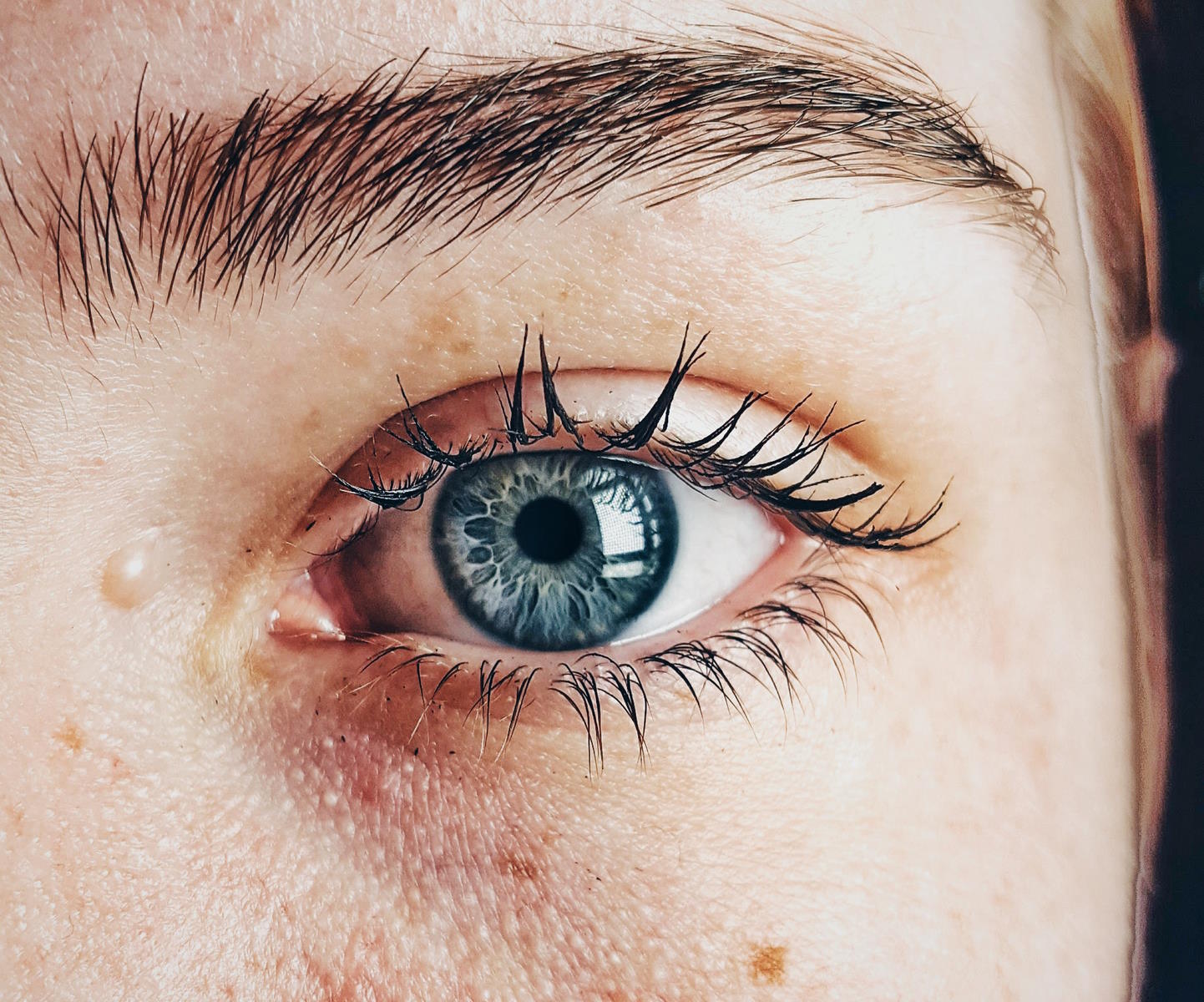
Advances in AI and facial recognition software is both exciting and frightful at the same time. The divided opinion is justified. The use of such software is increasingly more common for law enforcement, leading to more arrests. While perhaps not keeping our streets altogether safer, they are improving the number of convictions and could lead to a reduction in crime over time. It has, however, also led to a number of false positives too. People being picked up and questioned for crimes they supposedly committed when they may even have been in the opposite end of the country. Facial recognition is useful when unlocking your phone or paying for shopping, but how accurate is it really?
Main Uses of Facial Recognition Technology
In general, facial recognition is currently being used for 3 main purposes:
▪️Detection (detecting the presence of a human face)
▪️Verification (such as unlocking a phone)
▪️Identification (to differentiate one person from another)
Benefits and Limitations of Facial Recognition
Facial recognition promises improved security. Many would agree that it is a reliable biometric method for unlocking devices or accessing apps. The concerns arise not with detection or verification, but specifically with identification.
Although the technology has been around for some time, accuracy varies significantly depending on a person’s ethnicity, age, and gender. We have come a long way since the infamous 2017–2018 NIST studies, which found racial bias errors in around 20% of the 190 algorithms tested, but inconsistencies remain. True equality is impossible unless the results are genuinely equal for everyone.
The Link Between AI and Facial Recognition
Artificial intelligence (AI) and facial recognition are closely connected. The draft of the proposed EU AI Act was released in April and is expected to come into effect next year. The act sets comprehensive standards and requirements for AI throughout its development, market launch, and use in the European Union.
The law aims to regulate the industry, provide legal certainty, and build public trust that AI technologies will respect fundamental human rights. A copy of the official EU AI Act draft can be read here.
Risks of Misusing Facial Recognition
While regulation is welcomed and likely to encourage investment in the industry, it is important to recognise that technologies can be misused.
In China, a leaked report revealed a study using people’s brainwave assessments combined with facial recognition software to determine loyalty to the Chinese Communist Party. The report was quickly withdrawn, but the concern lingers.
Facial recognition has been used in China for social scoring and public shaming, and recently in Russia to identify protesters against the invasion of Ukraine. Soon, people may start changing their public behaviour, hiding personal traits, sexual orientation, or religion. There is a real risk that public spaces could fundamentally change.
How Facial Recognition Works in Everyday Life
We often admire features like Facebook automatically detecting and tagging faces in photos, but rarely think about how it works. Recognition requires a database of known images for comparison.
When setting up facial recognition on your phone, you likely took several selfies from different angles so the device could differentiate you from others. This may be acceptable on personal devices, and you might even be comfortable with Facebook using your camera roll for tagging.
But how are law enforcement agencies able to identify you? Did you give permission for hundreds of your photos to be used to build a facial profile? These questions raise serious ethical and legal concerns.
Conclusion: Technology and Human Rights
Like many people, I’m excited about the new technologies ahead. But it’s important to ensure that progress does not come at the expense of our basic human rights when we step outside. Facial recognition offers enormous potential, but it also demands responsible use and strict regulation.
Updated November 2025 to reflect the latest developments in facial recognition technology and AI regulation.